Summarize this post with:


How to start, when to stop co-sleeping: every co-sleeping family will have a slightly different journey. That’s because every family is unique, and so is every family’s needs.
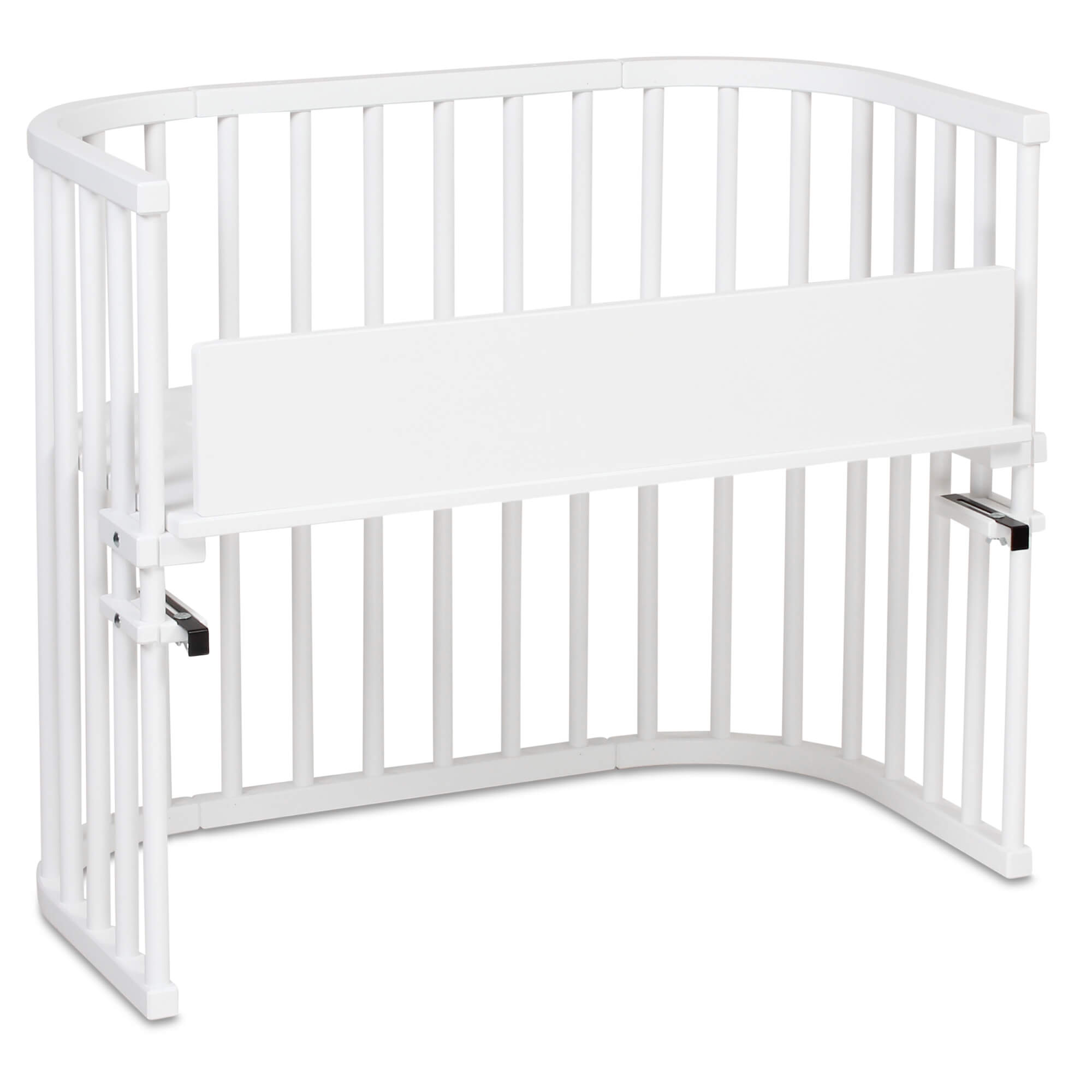
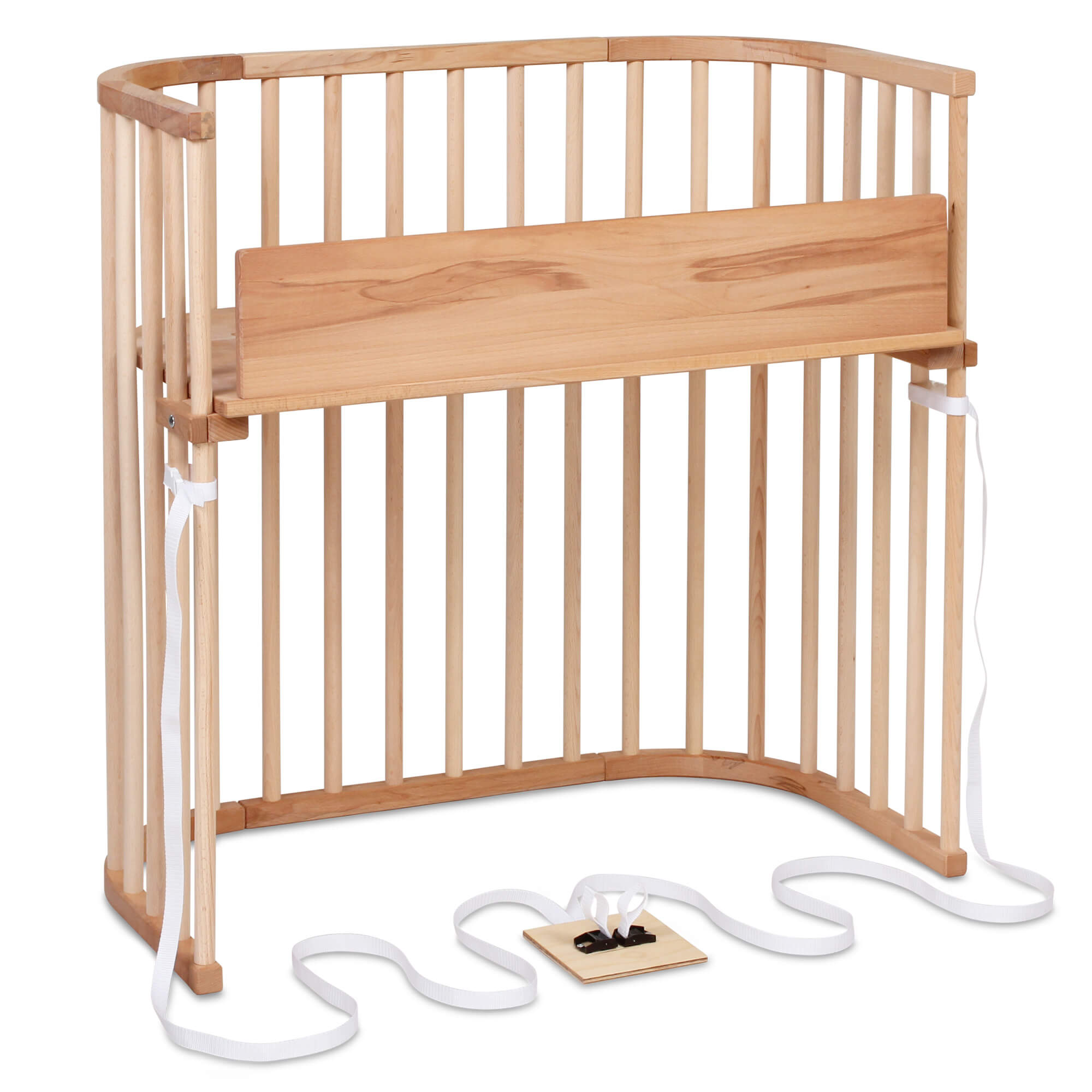
But no matter the ins-and-outs of your family’s uniqueness, most people start here: when your baby first comes home, the ideal place for them to sleep soundly is by your side in a bedside co-sleeper or other safe sleep tool specially designed to keep them safe, secure, and enveloped in a hug of love all through the night.

(Why is a safe sleep tool like a bedside sleeper preferred? Because too-soft bedding can pose risks when your baby hasn’t quite hit the developmental milestones to easily roll out of it yet.)
But over the next few months, your baby will grow from a newborn into a crawling, playing, keep-you-on-your-toes toddler. And when that time comes, you may begin thinking about the best age to transition from co-sleeping with your family’s own special timeline in mind.
How Your Co-Sleeping Family’s Journey Will Be Unique
Every baby is unique, and so is every co-sleeping family. That means that every co-sleeping journey will look a little different.
But no matter your family’s special co-sleeping timeline, it can be helpful to check in at different milestones during your baby’s first few months to stay aware of both baby’s development (as well as your family’s needs).
Checking in during these early months can help you make decisions about the best age to transition from co-sleeping down the road. (Even if that time still feels far, far off for you right now!)
No matter when you decide to stop co-sleeping, the good news is that co-sleeping with your baby during their early life has left them well-prepared to take on sleeping (and the world, while they’re at it!) all on their own.
Co-sleeping helps your baby develop sensory awareness, meaning that they’ll easily be able to tell the difference between comfort or crisis and rest—or call for your help—accordingly.

Your baby has also had plenty of time to nurture a deep and meaningful relationship with you, which means they will feel surrounded and supported by your love even if you’re sleeping farther than an arm’s length away.
This means when the time to transition from co-sleeping comes, you and baby will be more than ready to tackle all the nights of snoozes and sweet dreams ahead.
When to Stop Co-Sleeping: The 5 Month Milestone
Baby’s first few months set the stage for a lifetime of healthy growth.
That’s why co-sleeping during this part of baby’s life is such an important tool in their grow-big-and-strong toolkit.
By catching their first few months of z’s in a designed-just-for-them bedside co-sleeper that fits flush against your bed (meaning you’re always close by!), baby will benefit from a boosted immune system and better supported emotional and physical development.
That’s why it’s important to take full advantage of all the co-sleeping benefits your bedside co-sleeper can offer in these early months of baby’s life.
Though Europe tests and endorses bedside co-sleepers through baby’s first year, the United States has yet to expand their testing and endorsement procedures past five months of age.
However, experts agree that sleeping close to your baby is still best practice through the first year of their life.
That means around five months might be the right time to start taking stock of how baby has grown and decide whether it might be time to start transitioning your baby into a crib or convert your co-sleeper into a bedside bassinet or whether they’re still comfy-as-can-be where they are.
When to Stop Co-Sleeping: The 9 Month Milestone

When it comes time to fully decide when to stop co-sleeping, developmental stages and family needs are more important indicators than age.
That’s because all babies are unique, and their growth stages are going to be just as unique as they are.
Likewise, no two families are the same. What works well for one family might cause nights of restless tossing and turning for another.
It’s a good idea to check in with your baby at the 9 month milestone to make sure that co-sleeping is still the best sleeping solution for them (and you!).
If baby has started feeling confident enough in their mobility to move from the safe space of their bedside co-sleeper into the maze of blankets and pillows that you keep on your own bed, it might be time to think about keeping baby more secure with a standalone baby bassinet or crib.
Those blankets and pillows you love to curl up in and keep close can quickly become a safety hazard to baby. Though baby might be learning to be a confident crawler at this age, they still haven’t quite figured out the art of being an escape artist.
(Ready to learn more about how to co-sleep safely? We’ve got you covered!)
And when it comes to plush bedding that can easily wrap around them or cover their head, those escape artist skills are much-needed to assure fully safe sleeping throughout the night.
But remember: at the end of the day, only you know the co-sleeping timeline that works best for your family.
The Big Takeaway
The day when it’s time to stop co-sleeping with baby will come.

But when it does, be excited to walk with baby toward their next milestone!
Because baby has been co-sleeping all life long, their body and mind are ready to take full advantage of all the developmental benefits and conquer every new adventure that comes their way during nights ahead.
And just because baby is ready to transition their bedside co sleeper into a bedside bassinet or sleep in a crib all their own doesn’t mean they have to go far.
If you choose to stop co-sleeping around one of these early milestones, you can still help support baby’s next stage of sleep by positioning their baby bassinet or bedside crib right against your bed, or moving it no more than a step or two away from your own mattress.

That way, baby will still be able to feel your loving presence offering comfort from close by, even as they adjust to the feeling of sleeping in this new space that is fully their own.
As baby becomes more comfortable in their bedside bassinet or crib (and as space in your bedroom allows), you can slowly move baby’s sleeping space farther and farther from your own bed. This will help baby gradually develop confidence and awareness that you’re nearby to help, even when you’ve stopped co-sleeping and are farther than an arm’s length or two away.
And on the day you decide it’s finally time to stop wondering when to stop co-sleeping and start really moving your baby to a crib and room of their own: just know they’ll feel well-prepped for this next important step.